
Cranberry extract.
Built from the source.

Logo Cran d'or Pristine XV

 Introducing Cran d’OrTM Pristine XV

 From our most potent cranberry varieties grown in our own Canadian fields to pure PAC power: 15% standardized extract, 36 mg active dose in just 250 mg.

Total cranberry mastery. 


A natural solution for urinary tract health 

The lifetime prevalence of UTI is estimated to be about 60% among women, with approximately one-third experiencing more than one episode, and up to half of those facing recurrent infections.
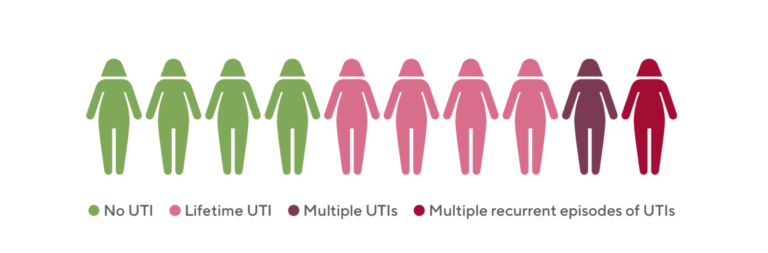
With recurrence remaining a significant challenge, the need for effective, natural prevention strategies has never been greater. This is where cranberry stands out. 

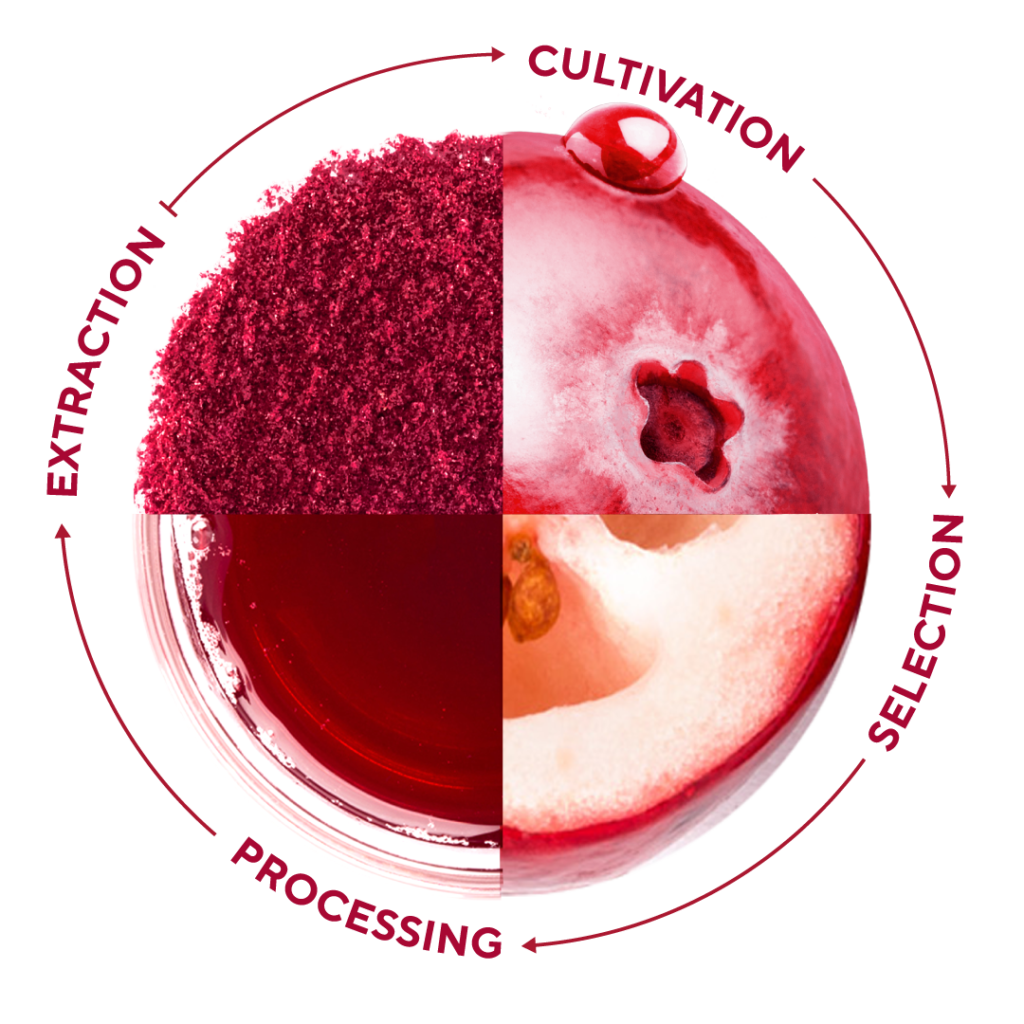
Fruit d'Or - Cran d'Or Pristine XV, supply chain control

Why choose Cran d’OrTM Pristine XV 

  • 15% PACs (BL-DMAC), 36 mg active dose in just 240 mg 
  • Recommended to support urinary tract health
  • 100% pure extract, no excipients
  • High PAC density + excellent solubility for easy formulation 
  • Vertically integrated Canadian value chain
  • ESG-aligned: biodiversity protection, circular co-product use 

Our Fields, our Future

From our land to your formula 

Discover how we cultivate cranberry excellence—right from our fields in Quebec. 

  • 91%+ of our cranberries are environmentally certified 
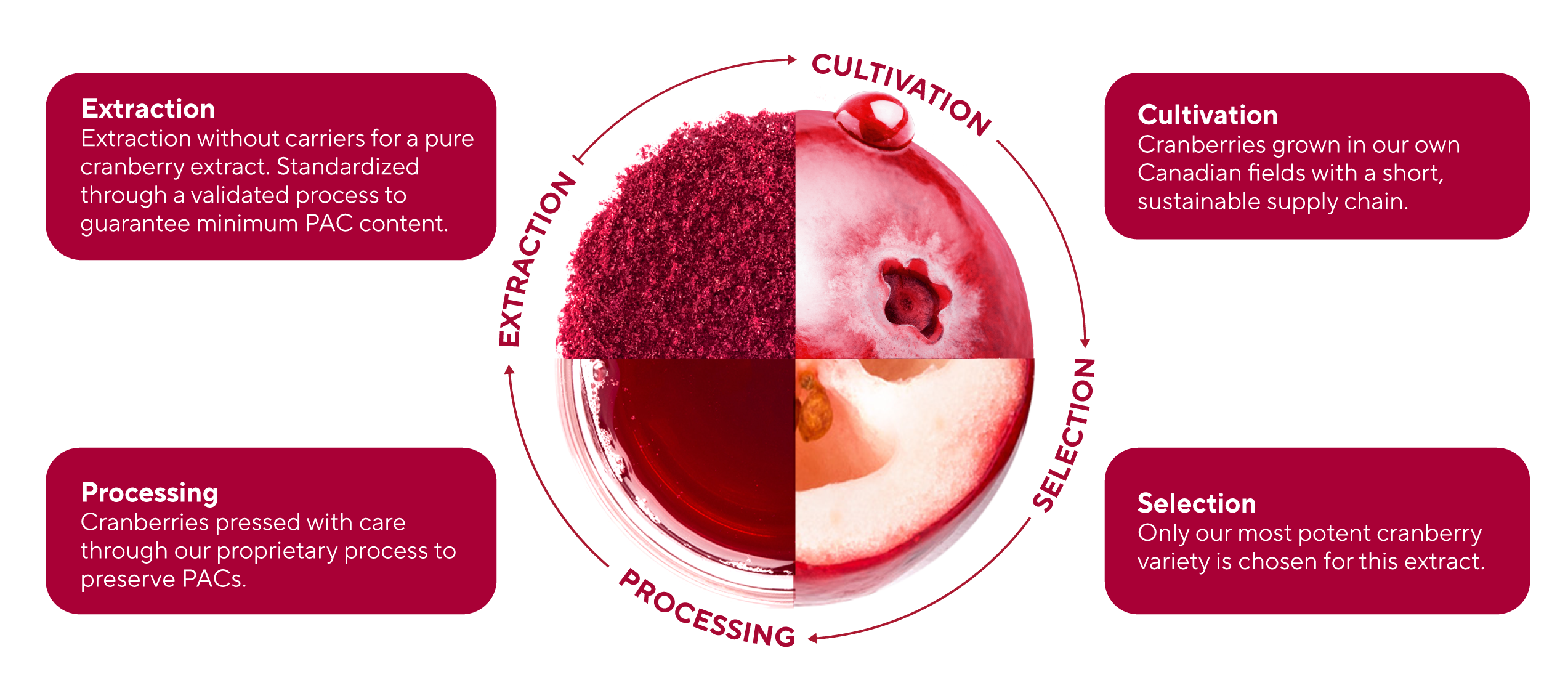
  • Only our highest-potency varieties are selected for this extract 
  • 25+ years of expertise in cranberry cultivation and transformation 
  • Vertical integration ensures consistency you can trust, batch after batch 
  • Full-fruit utilization through a circular approachvalorizing co-products to maximize every part of the berries we grow. 

Watch Full Story ↓

Science you can trust

Targeting the First Step of Infection

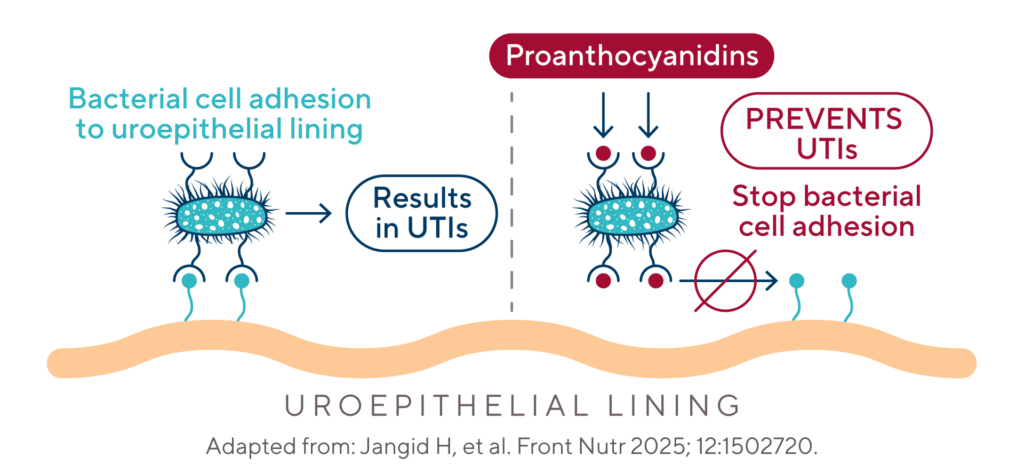
Urinary tract infections begin when uropathogenic E. coli attach to the bladder wall using fimbriae. Cranberry works upstream of infection—at the adhesion stage. 

Its unique A-type proanthocyanidins (PACs): 

  • Inhibit bacterial adhesion to uroepithelial cells
  • Disrupt fimbrial binding mechanisms 
  • Reduce biofilm formation and bacterial persistence 

This anti-adhesion effect is specific to cranberry, driven by its rare A-type PAC structure. 

Cranberry is one of the most studied natural solutions for urinary tract health. 

Data compiled in multiple meta-analyses and clinical reviews show: 

  • Up to ~30% reduction in UTI risk across populations 
  • Strongest benefits observed in individuals with recurrent UTIs 

These findings support cranberry as a credible, non-antibiotic strategy for UTI prevention. 

PAC intake levels have been extensively studied in models assessing bacterial adhesion: 

  • ≥36 mg PACs/day → demonstrated anti-adhesion activity and clinical benefit 
  • <36 mg PACs/day → no significant protective effect observed 

This establishes a clear efficacy threshold—not all cranberry products meet it. 

Cranberry PACs act through a systemic, non-antibiotic pathway: 

  • Metabolized after ingestion 
  • Bioactive compounds excreted in urine 
  • Urine becomes anti-adhesive, limiting bacterial attachment in the bladder 

This explains why consistent daily intake at the right dose is essential for efficacy. 

Clinical variability in cranberry products is largely driven by: 

  • Inconsistent PAC content 
  • Inaccurate analytical methods 
  • Lack of standardization 

 BL-DMAC analysis is the reference method used in clinical research because it: 

  • Specifically quantifies bioactive PACs 
  • Ensures accuracy and reproducibility 
  • Aligns with published efficacy data 

What is the proposed mechanism of action of cranberries with regards to the prevention of UTIs?

Cranberry PACs are thought to act by preventing bacterial adhesion to the urothelium.
Scientific Consensus, Simplified 

 Cranberry PACs block bacterial adhesion, the first step of infection 

 A-type PACs are the unique active compounds 

 36 mg/day is the clinically validated effective dose 

 Standardized extracts are essential for consistent efficacy 
Supply Chain Control

From Field to Extract: Every Step Mastered 

Fruit d'Or - Cran d'Or Pristine XV, supply chain control

Cranberry Leadership 

+25 Years of Unrivaled Expertise 
As the world’s top organic cranberry processor, we bring unmatched know-how to PAC optimization from variety selection to pure extract delivery. No one understands cranberry like Fruit d’Or. 

VISIT US AT VITAFOODS EUROPE 2026 – BOOTH #3C227​

  1. WagenlehnerF, et al. Social and economic burden of recurrent urinary tract infec tions and quality of life: a patient web-based study (GESPRIT). Expert Rev Pharma coecon Outcomes Res 2018; 18:107-117.  
  2. Foxman B. Urinary tract infection syndromes: occurrence, recurrence,bacteriology, risk factors, and disease burden. Infect Dis Clin North Am 2014; 28:1-13.  
  3. Geerlings SE. Clinical presentations and epidemiology of urinary tract infections.MicrobiolSpectr 2016; 4.  
  4. Gupta K, Trautner BW. Diagnosis and management of recurrent urinary tractinfections in nonpregnant women. BMJ 2013; 346:f3140.  
  5. Anger J, et al. Recurrent uncomplicated urinary tract infections in women: AUA/ CUA/SUFU guideline. 2019; 202:282-289. 
  6. Schappert SM,RechtsteinerEA. Ambulatory medical care utilization estimates for 2007. Vital Health Stat 13. 2011; 169:1-38.  
  7. Jangid H, et al. Cranberry-derivedbioactivesfor the prevention and treatment of urinary tract infections: antimicrobial mechanisms and global research trends in nutraceutical applications. Front Nutr 2025; 12:1502720.  
  8. Williams G, et al. Cranberries for preventing urinary tract infections.Cochrane Database Syst Rev 2023; 4:CD001321.  
  9. XiongZ, et al. Preventive effect of cranberries with high dose of proanthocyanidins on urinary tract infections: a meta-analysis and systematic review. Front Nutr 2024; 11: 1422121.  
  10. Anger JT, et al. Updates to recurrent uncomplicated urinary tract infections in women: AUA/CUA/SUFU guideline. JUrol2022; 208:536-541.