
Cranberry Antioxidants and Their Health Benefits

Home Insights Cranberry Antioxidants and Their Health Benefits
June 17, 2025

Cranberries (Vaccinium macrocarpon) are renowned for their high antioxidant content. This small red berry contains phenolic compounds, notably flavonoids, quercetin, epicatechins, anthocyanins, and proanthocyanidins (PACs), which give it beneficial health properties. Phenolic compounds have been shown to neutralize free radicals—reactive oxygen species involved in oxidative stress, a process linked to various pathological mechanisms including cardiovascular diseases, certain cancers, chronic inflammation, and premature aging.

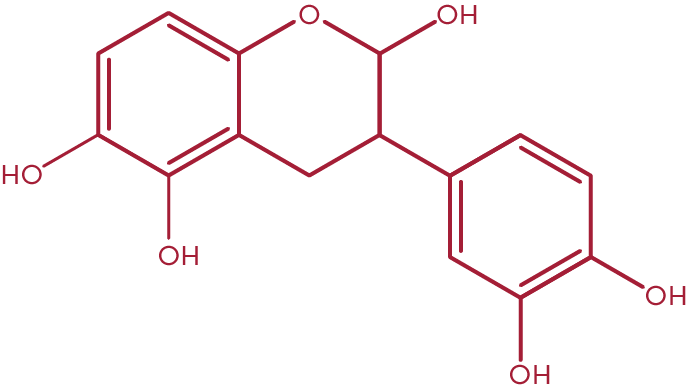
PAC

Proanthocyanidins are the most distinctive antioxidants found in cranberries.

Research has shown that type A PACs, present in cranberries, may prevent certain pathogenic bacteria from adhering to the walls of the urinary, digestive, and oral tracts. This anti-adhesive property inhibits bacterial colonization and thus reduces the risk of urinary tract infections—one of the most well-documented health benefits of cranberries.

Beyond infection prevention, cranberry antioxidants are associated with significant cardiovascular benefits, as highlighted in the study by Nemzer et al. (2022). Anthocyanins, responsible for the fruit’s intense red color, contribute to heart health by improving blood lipid profiles: they increase HDL (good cholesterol) levels and decrease LDL (bad cholesterol) levels, while also reducing LDL particle oxidation—a key factor in atherosclerosis.

cranberry-slice-antioxidant

A study conducted by researchers from McGill University and the Institut national de la recherche scientifique (INRS) in Montreal demonstrated that molecules extracted from cranberries, especially proanthocyanidins, increase the sensitivity of pathogenic bacteria to antibiotics while preventing the development of resistance. This antibacterial activity is linked to the antioxidant action of cranberry compounds, which also impact bacterial cell walls and antibiotic efflux mechanisms. 

Cranberry powder offers considerable advantages over fresh fruit. The dehydration process allows for extended preservation without significant degradation of proanthocyanidins. This form also provides a practical and efficient way to benefit from the cranberry’s health properties. It can be easily incorporated into dietary supplements, functional beverages, or fortified foods, offering a precise and standardized dosage of cranberry’s recognized health benefits.

  1. Nemzer BV, Al-Taher F, Yashin A, Revelsky I, Yashin Y. Cranberry: Chemical Composition, Antioxidant Activity and Impact on Human Health: Overview. Molecules. 2022 Feb 23;27(5):1503.
  2. Bosley, S., Krueger, C. G., Birmingham, A., Howell, A. B., & Reed, J. D. (2023). Improved in vitro Hemagglutination Assays Utilizing P-Type and Type 1 Uropathogenic Escherichia coli to Evaluate Bacterial Anti-Adhesion Activity of Cranberry Products. Journal of Dietary Supplements, 21(3), 327–343.
  3. Greene, A.C., Acharya, A.P., Lee, S.B. et al. Cranberry extract-based formulations for preventing bacterial biofilms. Drug Deliv. and Transl. Res. 11, 1144–1155 (2021).
  4. V. B. Maisuria, M. Okshevsky, E. Déziel, N. Tufenkji, Proanthocyanidin Interferes with Intrinsic Antibiotic Resistance Mechanisms of Gram-Negative Bacteria. Adv. Sci. 2019, 6, 1802333.

Share this article: